



Our Story
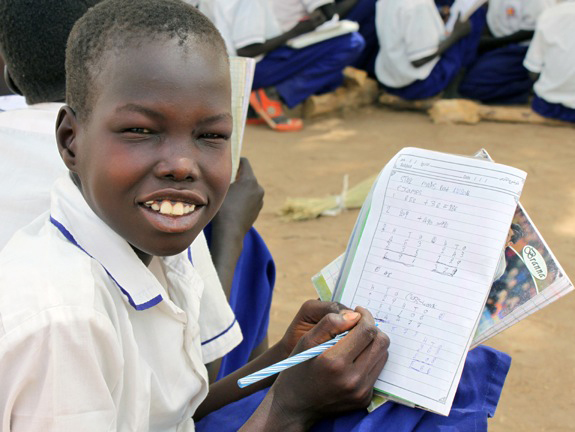
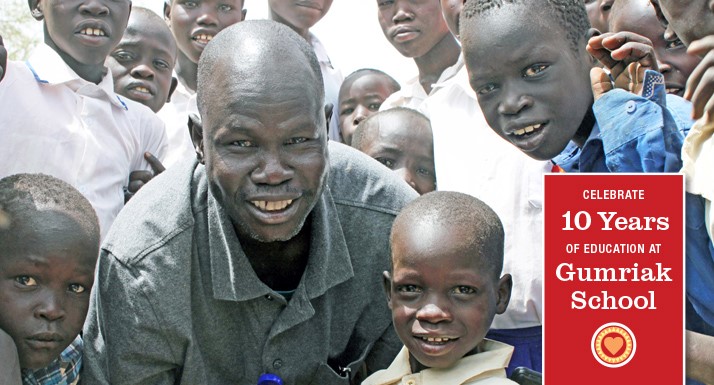
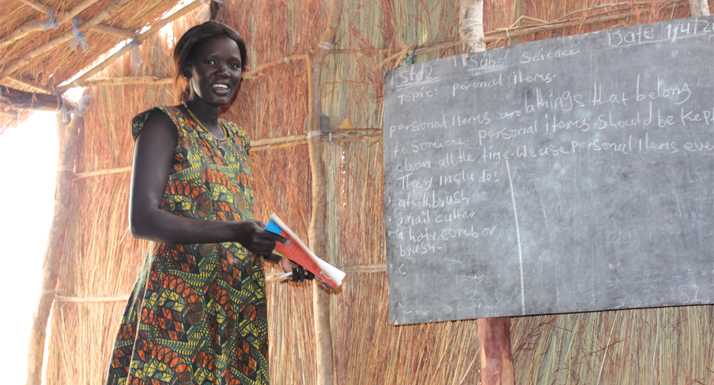
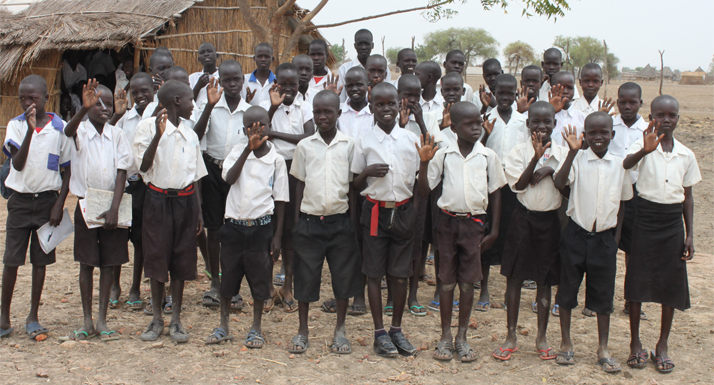
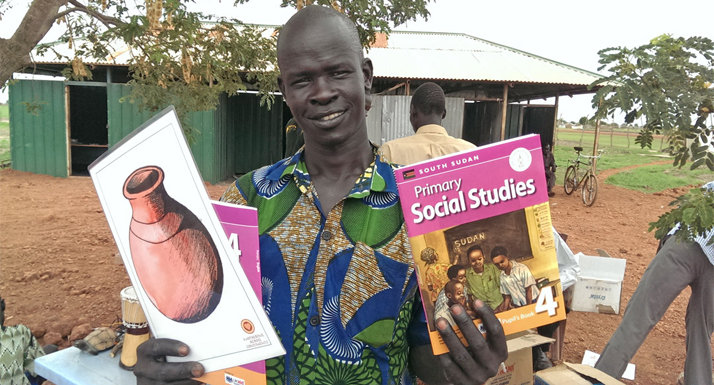
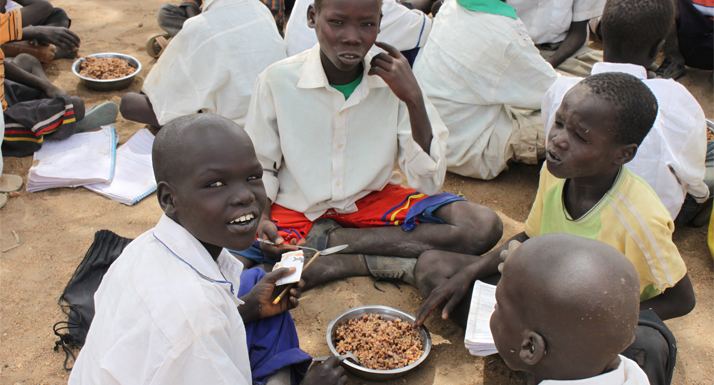
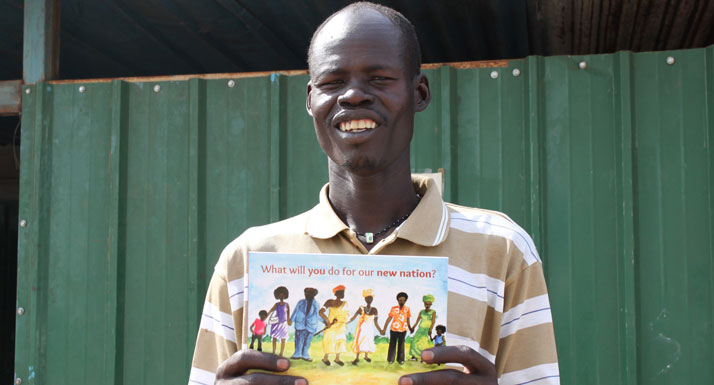
Between 1983 and 2005, nearly 30,000 boys were orphaned and or displaced when villages in southern Sudan were attacked. On epic walks to refugee camps, they became known as the Lost Boys of Sudan. Approximately 4,000 of them were invited to come to the US and become citizens in 2001. Three of these young men—James "Lubo" Mijak of Charlotte, NC; Ngor Kur Mayol of Atlanta, GA; and James Manyror, near Denver, CO—are inspiring ambassadors for the value of education for their home villages in Ruweng State, South Sudan (formerly Unity State). Today, 800 children attend school and receive daily meals at the Nyarweng and Gumriak community primary schools (K-8), the only functioning schools in a geographic area where 90 percent of adults can't read.
You Can Help
Donations from hundreds of individuals, schools, churches, foundations and civic groups made real the dream of the Nyarweng and Gumriak schools. Keeping classes open and achieving learning standards in South Sudan requires teachers, ongoing training, books and materials, uniforms, meals and gardens, health checkups, and scholarships for students who qualify for high school. The operating budget is $250,000 per year. Funds for classroom upkeep and additions to accommodate more students is always a need.
- Donate
- $15: Lapdesks for lower primary school grades
- $30: Solar light to study at night
- $50: Uniform
- $100: Year of lunch for 1 student and support for school gardens
- $200: Desk with bench for three students
- $500: Set of teaching materials
- $1,000 Teacher training scholarship
- $2,000: Annual teacher stipend
- $5,000: Partial set of Grade 1-8 textbooks
- $10,000: New classroom construction
- $20,000: Four training workshops for 35 teachers
- Organize a School Event
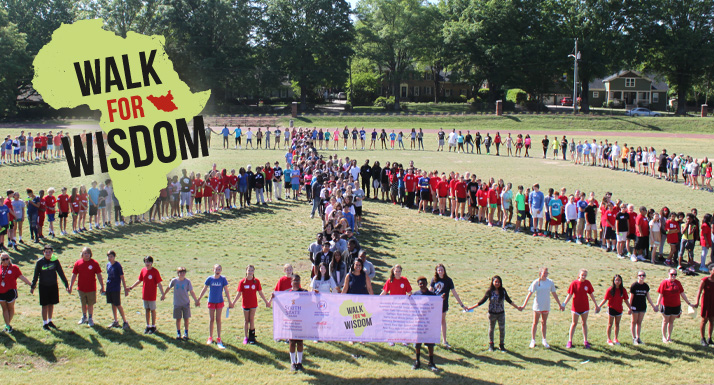
Every academic year, thousands of students in the US learn about the Lost Boys of Sudan and the Raising South Sudan project through the Walk for Wisdom global education and service challenge. Contact: [email protected] - Expand the Circle
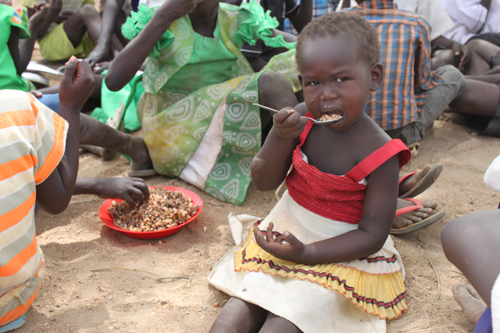
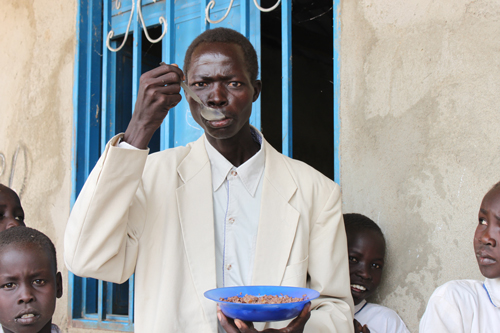
Sharing the Raising South Sudan story with friends, family and on social media is an important and greatly appreciated contribution. In 2015, we celebrated the 5th anniversary of Raising South Sudan with the first Rations of Hope event. Request a Rations of Hope guide to host a lunch or dinner and raise proceeds for Raising South Sudan project schools. Contact: [email protected]
Special Thanks
South Sudan, the world's newest (2011) and most fragile country, has enormous gaps in education. We are especially grateful for the unique support of the South Sudan Ministry of Education, Science and Technology (MoEST) which recognized Mothering Across Continents and the Raising South Sudan project with a nomination for the 2016 UNESCO Prize for Girls and Women's Education. In 2016-17, 39 elementary, middle and high schools in 12 states have registered for the Spring 2017 Walk for Wisdom fundraising challenge. The World Service Committee of the Rotary Club of Charlotte, NC, donated funds to support a full year of Lunch for Learning meals for teachers at the Nyarweng primary school.

Leadership
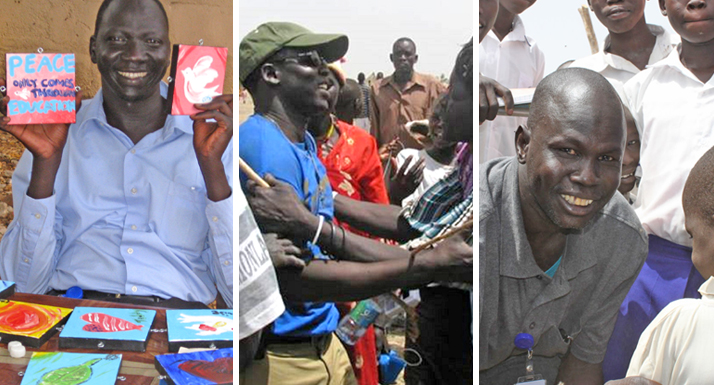
Former Lost Boy James "Lubo" Mijak serves as South Sudan country director in partnership with Education Program Manager Gerald Kabuye, who has 20 years of education management experience in Uganda, Rwanda and South Sudan. Mothering Across Continents Chief Catalyst Patricia Shafer is directly involved in project management and monitoring. The US advisory board is co-led by Phillips Bragg – VP, Retirement, Estate and Charitable Planning, Bragg Financial Advisors, and Karen Puckett, media specialist, Isenberg Elementary Media Center. Other advisory board members include Charles Harper, Commercial Product Manager, US Bank, and Peter Firmin, past CFO of the South Sudanese American Orphan Rehabilitation Organization (SSAORO).