EARLY PILOTS
Lorem ipsum dolor sit amet, consectetur adipiscing elit, sed do eiusmod tempor incididunt ut labore et dolore magna aliqua. Aliquam etiam erat velit scelerisque in dictum non. Et odio pellentesque diam volutpat. Pulvinar elementum integer enim neque volutpat ac tincidunt.
Learning What Works
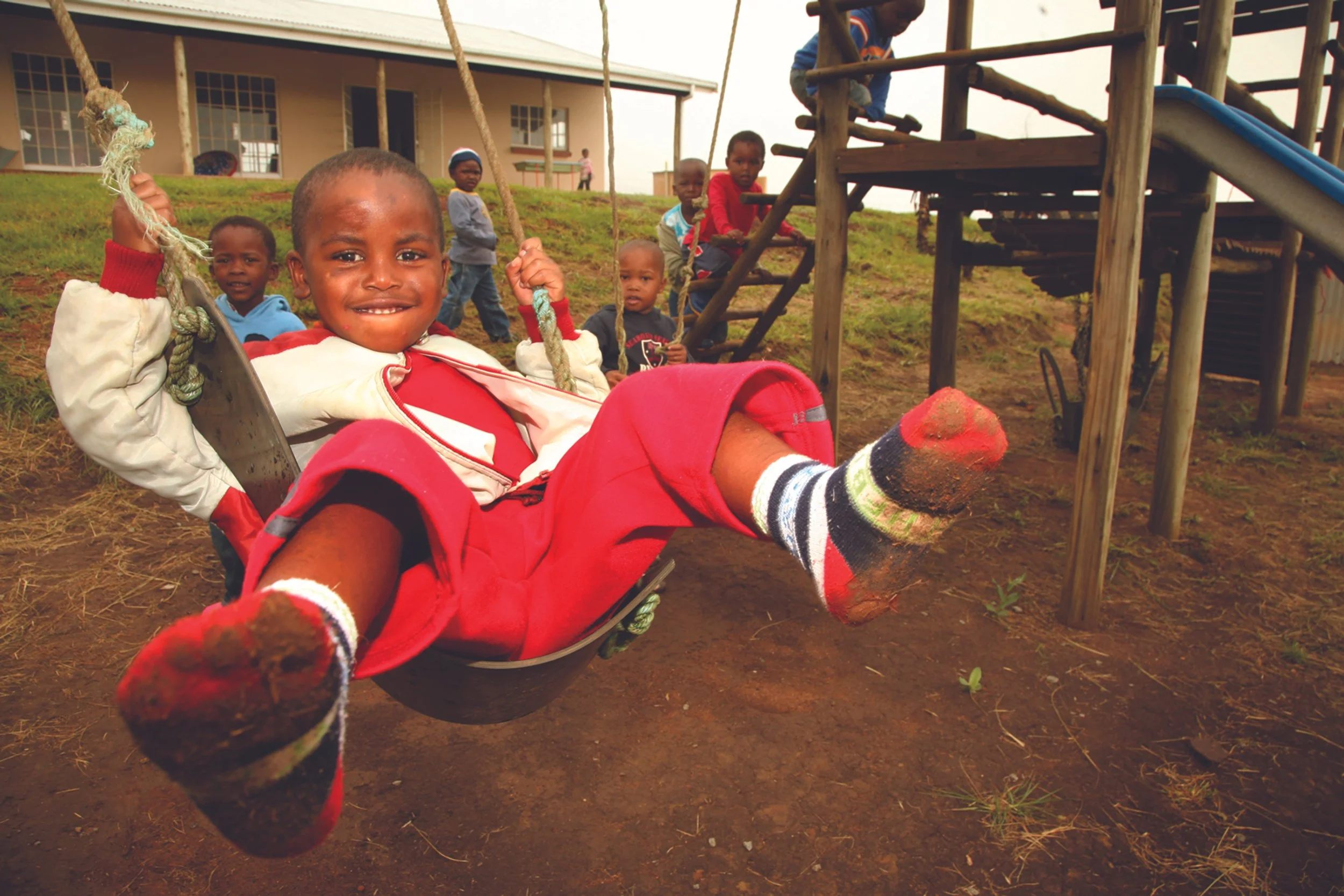
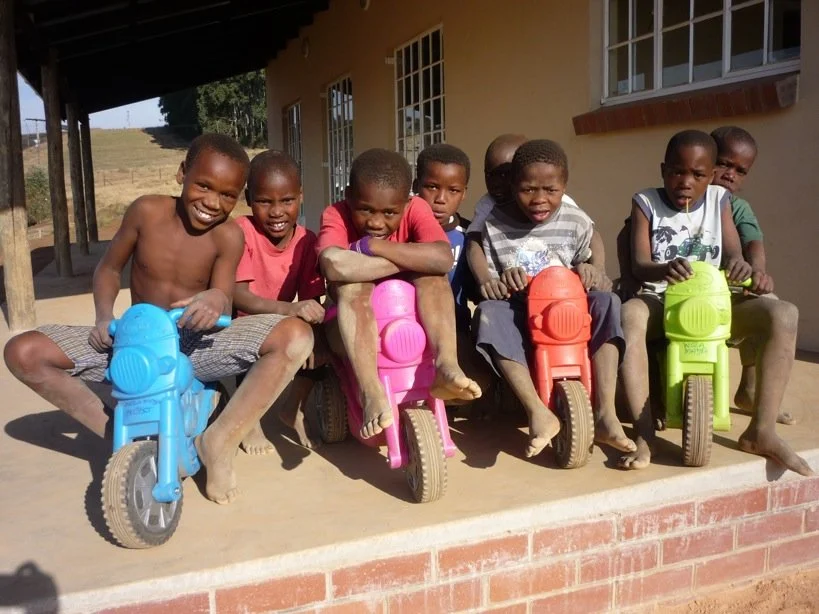
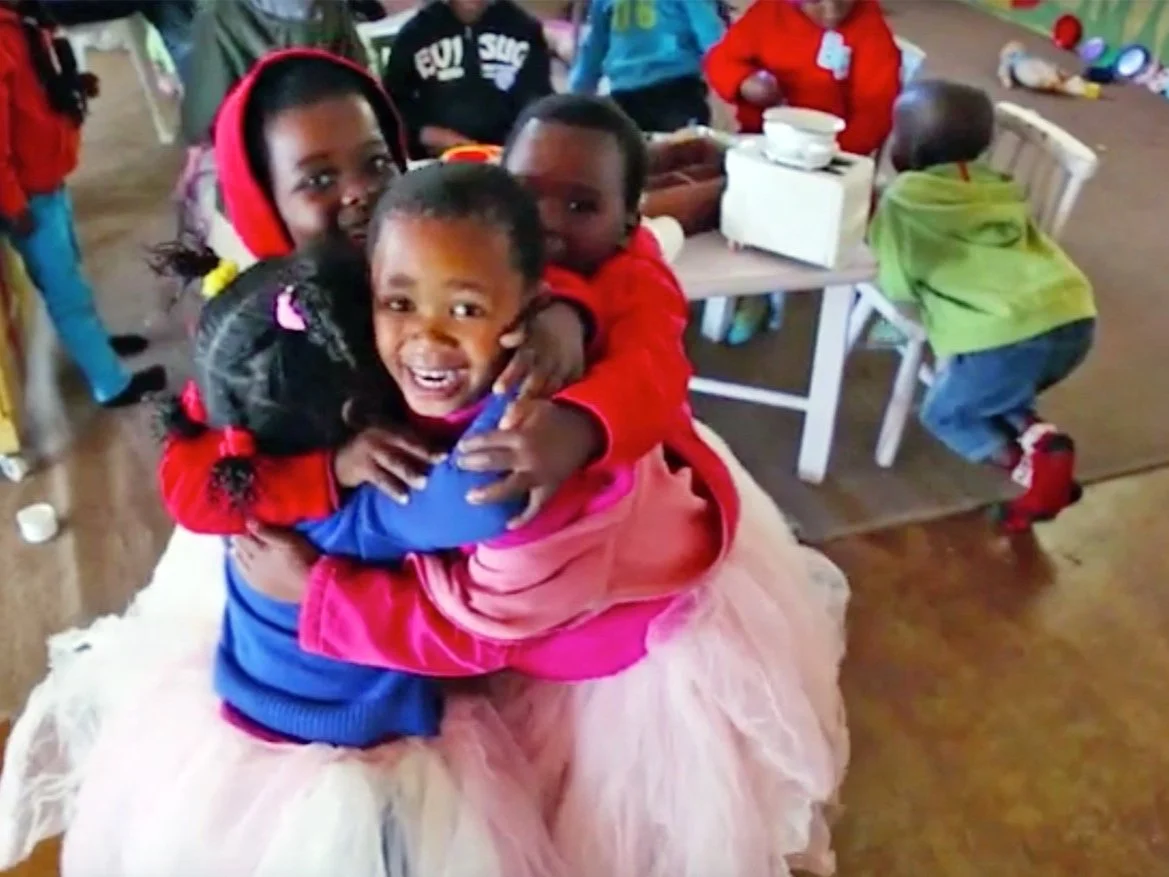
In 2010, donors co-funded an Early Childhood Center in KwaZulu-Natal, South Africa, a region with a high percentage of orphans due to HIV/AIDS. Nonprofit Woza Moya continues its successful, sustainable operations.
In 2000, a Buddhist Retreat Center in the Ufafa Valley initiated a small project that grew to become an independent community nonprofit called Woza Moya, serving 8,000 of the valley's 23,000 residents with holistic care and support. In 2008, the community imagined creating an ECD center. From 2008 through 2010, Mothering Across Continents collaborated with Gavin Harrison and the Woza Moya Fundraising Project. Our supporters helped raise awareness and $50,000 to design, build and launch the Woza Moya Orphan and Vulnerable Children's Play Therapy Center.
Caring Schools
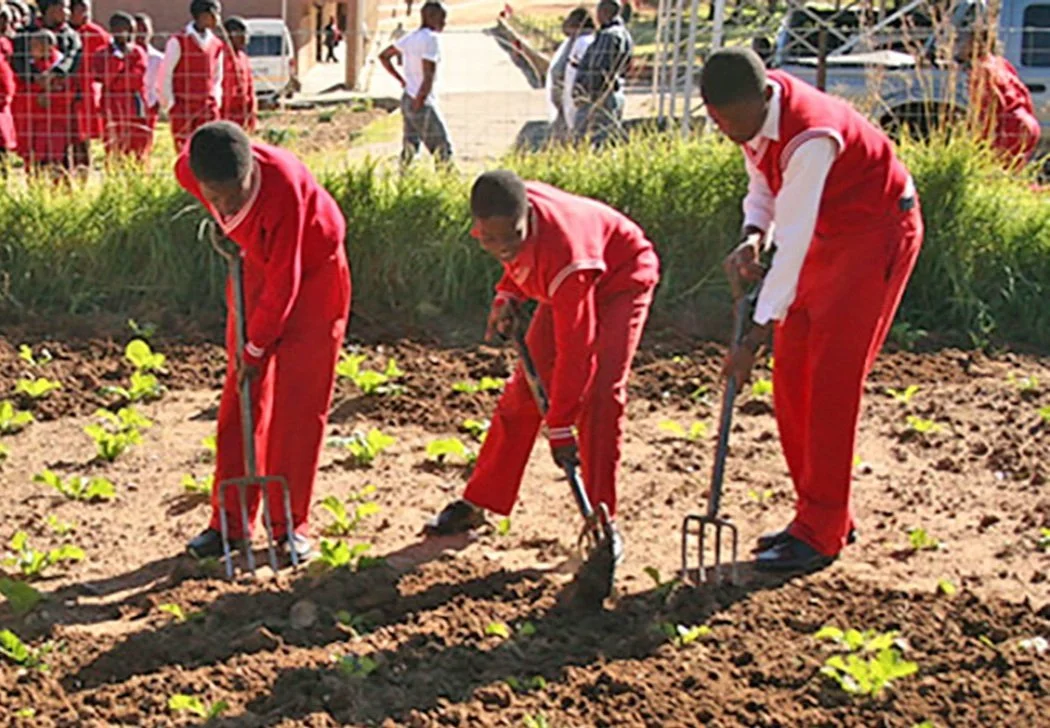
Does availability of good food improve student performance? The Caring Schools project was presented as an early model for sustainable gardens and food distribution at challenged schools.
Save the Children South Africa and Mothering Across Continents observed that the government of South Africa had funds available for a mandatory daily meals program in primary schools. No such program existed at the high school level. In Limpopo, the Free State and highly impoverished communities such as Qwa Qwa, we wondered, "What would be the effect of sustainable food programs on student attendance and performance?"
On a total of $35,000, the Caring Schools Initiative became the first pilot project launched by Mothering Across Continents. Through collaboration, the program was available to three high schools in the impoverished community of Qwa Qwa, facilitated by Save the Children South Africa representatives. From 2009 through 2010 program, Caring Schools project funds provided:
Daily meals for 655 vulnerable high school students and experimental garden creation
Menus above government standards, incorporating protein and vegetables
Project leadership training for administrators
Opportunities for students to share lessons learned and advocate for expansion