

HERPEACE
-
Rwanda
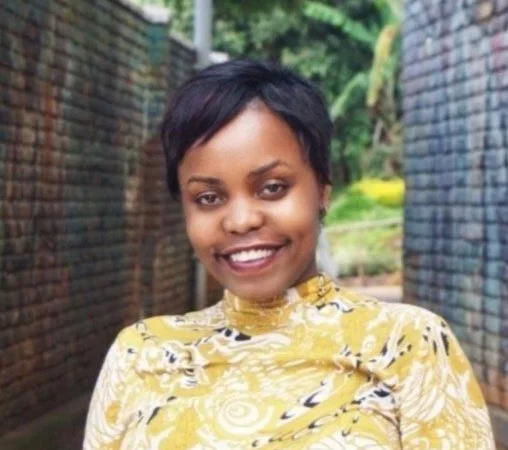
Alice Kubwimana Amani
FOUNDER AND EXECUTIVE DIRECTOR
Alice is a passionate advocate for gender equality and women's empowerment. She is dedicated to promoting inclusivity and uplifting women. With a background in social work and community development, she has worked extensively with women's organizations and NGOs, developing programs to address challenges faced by marginalized women.
Her expertise includes gender mainstreaming, women's health and education, economic empowerment, and policy advocacy. Alice has also led numerous trainings on gender and inclusion, helping create more equitable workplaces and communities.
Alice's ultimate goal is to create a world where gender equality is a reality, with equal opportunities for women and their voices valued.
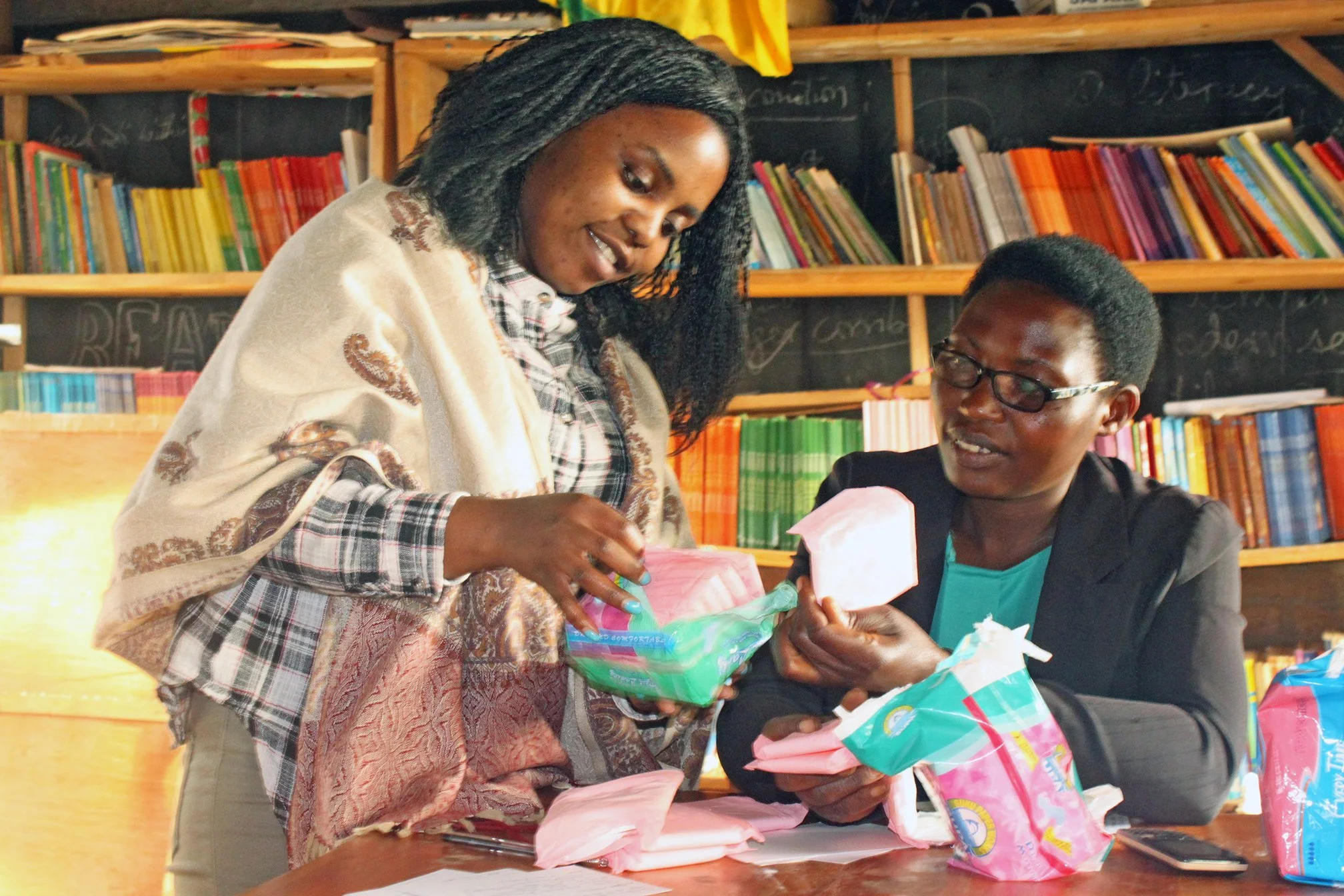
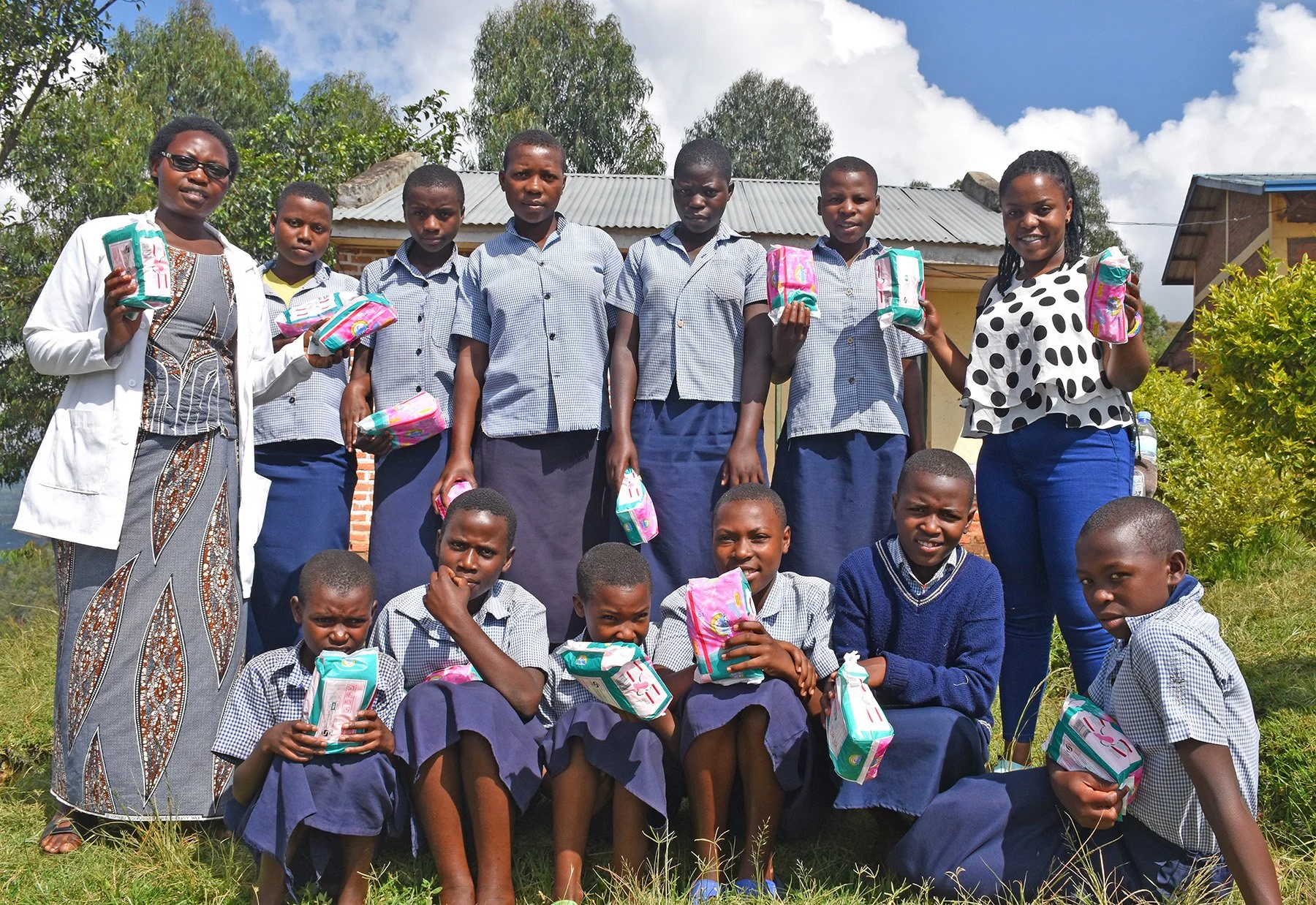
Addressing Period Poverty
This initiative began by distributing pads and underwear to young girls at Mwiko Primary School and the surrounding community in Musanze, Burera District, Northern Rwanda. Over 12 months, 50 pads were donated monthly to girls at the Deaf school in Musanze and 200 to girls at Mwiko Primary and other girls with disabilities in the Mwiko community. Each girl received three pairs of underwear, with a total of 750 distributed annually.
Result: While the program was active, school attendance and performance among girls increased significantly.
HerPeace:
A Project to Reduce Violence and Increase Peace through Health, Education, and Dignity for Young Women in Rural Rwanda
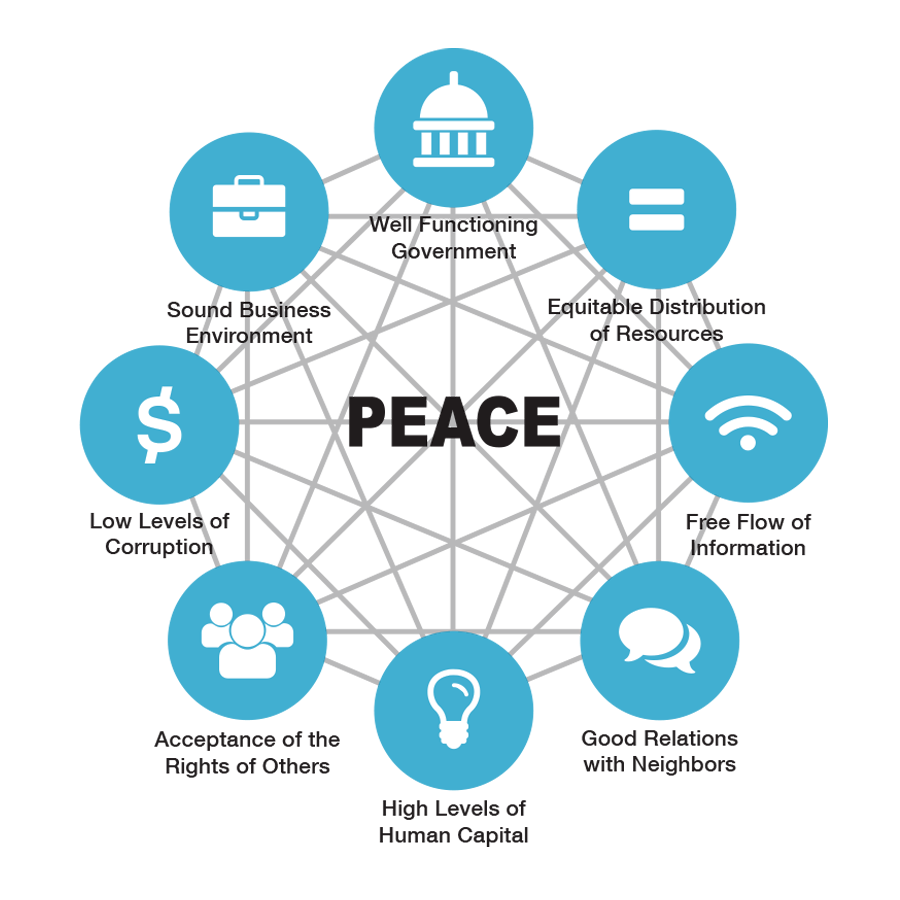
The “HerPeace” project aligns with the IEP pillars of “High Levels of Human Capital,” “Equitable Distribution of Resources,” and Rotary Areas of Focus: “Peacebuilding and Conflict Prevention,” “Basic Education and Literacy,” and “Maternal and Child Health.” There are three components:
Menstrual Pads and Underwear Distribution: Improves hygiene and school attendance for girls and young women.
School-Based Book Club: Features female-focused books and reading circles to boost literacy and education outcomes, including national exam scores and scholarships.
Workshops: Conducted with participating girls/young women and their mothers/grandmothers to promote gender-based personal security, protection, and human rights.
Previously pilot-tested in Rwanda, this six-month program will integrate all three components for 150 girls/young women aged 11 to 15 and 150 of their adult female relatives at Mwiko Primary School and the surrounding community in Musanze, Burera District, Northern Rwanda.
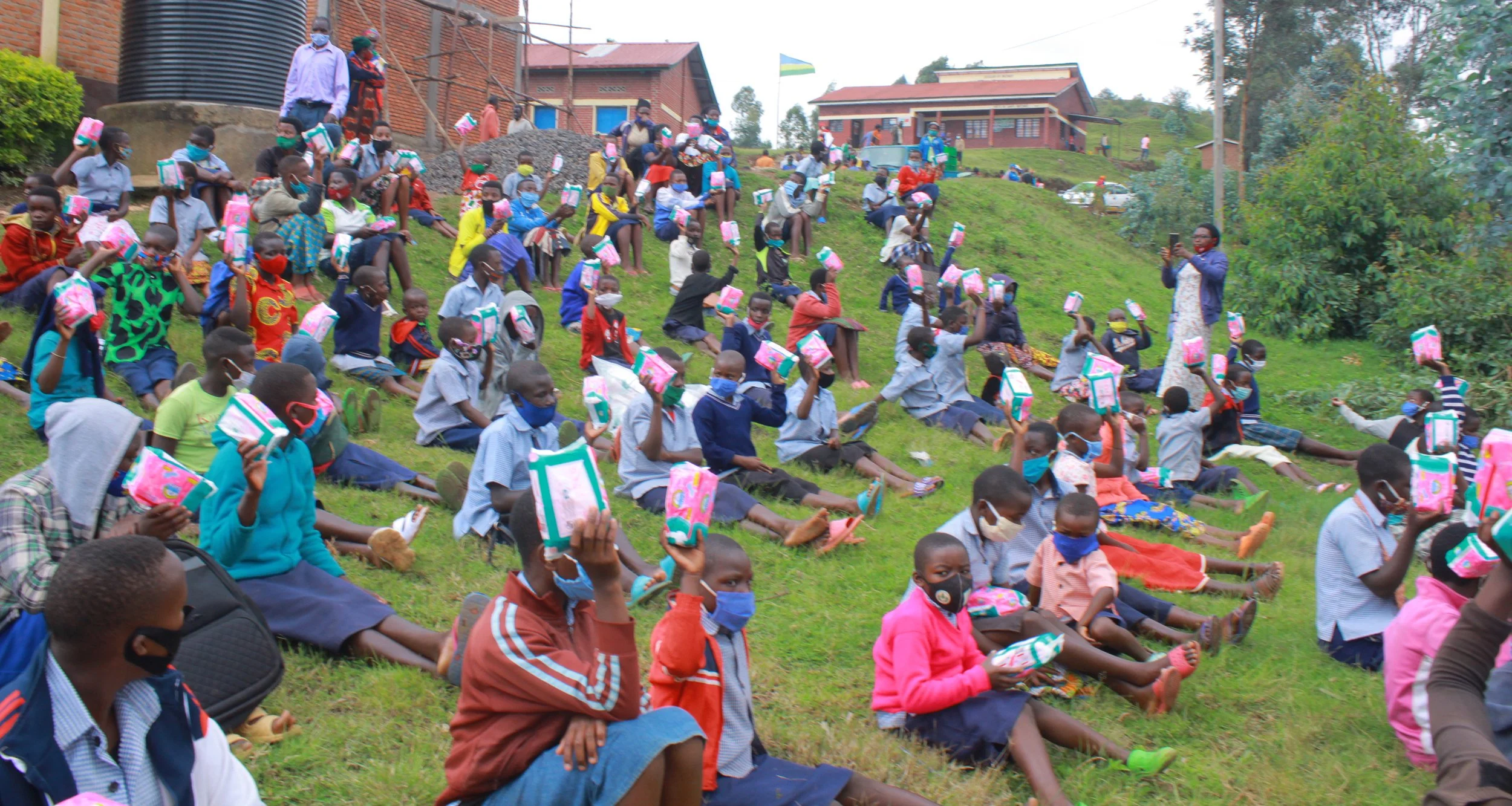
Help give more girls the resources to manage their health, stay in school, and live with dignity.
SUPPORT GIRLS IN RURAL RWANDA